Same license, different worlds
In California, a six-bed house and a 200-apartment community can both be licensed as a Residential Care Facility for the Elderly. Most RCFEs in San Diego are small homes. The big names that top "best assisted living" lists are large communities with dining rooms, activity calendars and long hallways. Neither is better for everyone.
What a small home does well
- Familiar faces: with six residents, the same few caregivers see your parent every day and notice small changes.
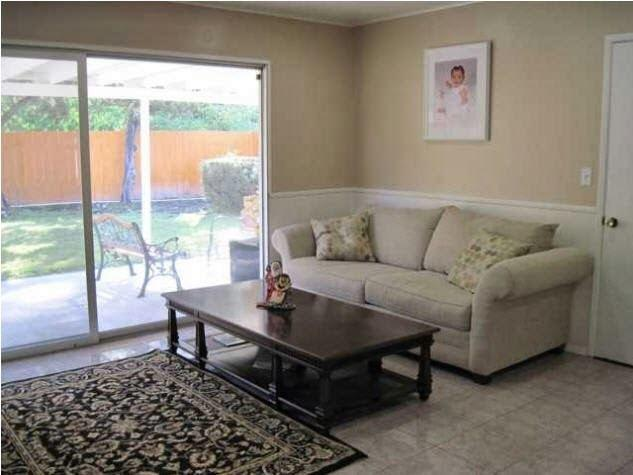
- A real house: a living room, a kitchen that smells like dinner, a backyard. Many people with dementia do better in a setting that looks like home.
- Fewer moves: many small homes, including both Vibrant Living houses, hold hospice waivers and fire clearance for non-ambulatory residents, so a resident can often stay as needs grow.
- Quiet: less noise and fewer strangers, which matters for people who get overwhelmed.
What a large community does well
- Amenities: fitness rooms, salons, a busy activity calendar, outings.
- Social range: more people to find friends among, for residents who want that.
- Levels of care in one place: some campuses have independent living, assisted living, memory care and skilled nursing on site.
Questions that decide it
- Does your parent thrive in a crowd, or get lost in one?
- How much hands-on help do they need now, and in a year?
- How important is it that the same caregivers are there every shift?
- Would they be comfortable sharing a house with five other people?
Cost
Small homes and large communities often price differently: one monthly rate in many small homes, base rent plus care levels in many large ones. How to compare quotes fairly.